







Understanding Customer Review Expectations
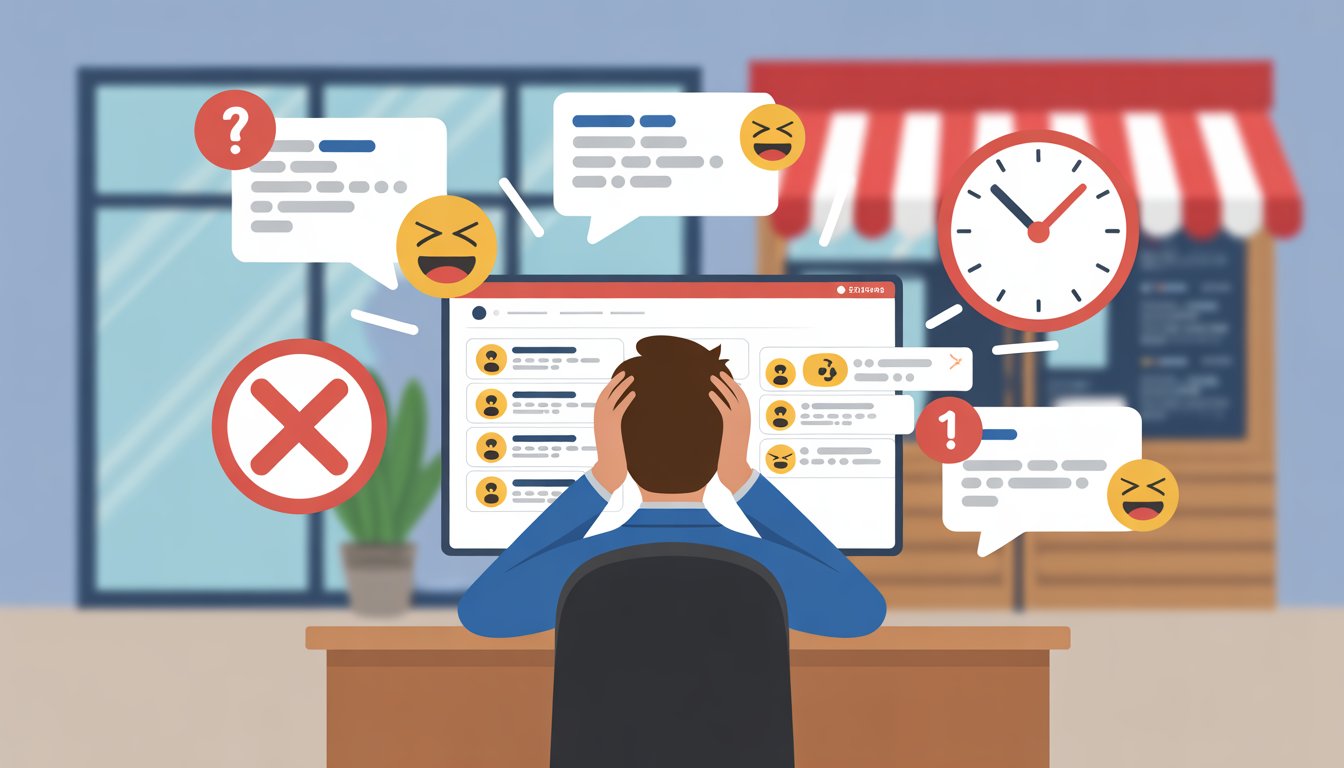
In today's digital world, customer reviews hold immense power. They can either elevate a brand to new heights or cause significant damage. According to recent statistics, a striking 53% of customers expect businesses to respond to their reviews within a week. Yet, an overwhelming 87% of businesses fall short of this expectation. This gap in review management not only impacts customer satisfaction but also poses a challenge in turning potential feedback into actionable insights for growth.
The Importance of Timely Review Responses
Why Speed Matters
In the age of instant gratification, customers expect quick responses. A timely reply to a review is not just about addressing a single comment; it's a signal that the business values customer feedback and is committed to improving its services. This responsiveness can directly influence a potential customer's decision to choose your product or service over a competitor's.
The Impact on Customer Loyalty
Studies have shown that businesses that regularly engage with reviews tend to foster greater customer loyalty. When a customer feels heard, they are more likely to return, recommend the business to others, and leave more reviews in the future. This cycle of engagement and response creates a positive feedback loop, enhancing the overall reputation of the business.
Analyzing the Review Management Gap
What's Causing the Disconnect?
The significant gap between customer expectations and business responses often stems from a lack of structured review management strategies. Many businesses, especially smaller ones, may not have dedicated resources to monitor and respond to reviews promptly. This oversight can lead to missed opportunities for growth and reputation enhancement.
Key Statistics Highlighting the Issue
- 53% of customers expect a response to their review within a week.
- 64% of these customers regard a response as a sign that the business cares.
- Yet, 87% of businesses fail to meet this expectation, highlighting a critical area for improvement.
Bridging the Review Management Gap
Implementing Effective Strategies
Centralized Review Management Systems: Utilizing platforms like ReviewDriver can help businesses manage reviews from multiple sites in one dashboard, ensuring no feedback goes unnoticed.
Dedicated Review Teams: Assigning a team or individual to oversee review responses can streamline the process and ensure timely communication.
Automated Alerts: Set up notifications for new reviews to ensure they are addressed promptly. This can be particularly beneficial for businesses with a high volume of feedback.
Practical Steps for Improvement
Train Your Team: Equip your staff with the skills needed to handle reviews effectively, focusing on tone, empathy, and resolution.
Prioritize Negative Feedback: While positive reviews are gratifying, negative ones offer a chance to improve. Addressing these quickly can often turn a dissatisfied customer into a loyal advocate.
Set Achievable Goals: Aim to respond to reviews within a specific timeframe, such as 48 hours, to build consistency and reliability in your review management process.
The Benefits of Closing the Gap
Enhanced Business Reputation
By meeting customer expectations for review responses, businesses can significantly enhance their reputation. This not only attracts new customers but also retains existing ones, fostering long-term growth.
Increased Revenue Potential
Engaging with customer feedback can lead to improved services and products, directly impacting sales. Businesses that actively manage their reviews often see a tangible increase in conversions and customer satisfaction.
Building Trust and Transparency
Customers are more likely to trust a business that openly engages with its reviews. This transparency can set a business apart from its competitors, building a stronger, more trustworthy brand image.
Real-World Examples of Success
Small Business Turnaround
Consider a small café that struggled with negative reviews due to inconsistent service. By implementing a structured review management strategy, they not only addressed customer concerns but also improved service quality. Within six months, they saw a 25% increase in customer visits and a noticeable improvement in their online ratings.
Multi-Location Enterprise Efficiency
A large retail chain faced challenges managing reviews across multiple locations. By centralizing their review management and setting clear response protocols, they improved their average response time to under 48 hours. This efficiency led to a 15% increase in customer satisfaction scores and boosted their overall brand reputation.
Conclusion: The Path Forward
The gap between customer expectations and business responses in review management presents both a challenge and an opportunity. By understanding the importance of timely responses and implementing effective strategies, businesses can not only meet customer expectations but exceed them, turning reviews into a powerful tool for growth. Remember, transforming review anxiety into revenue growth is not just a possibility—it's a strategic advantage that businesses can leverage to thrive in today's competitive landscape.
Embrace the power of customer feedback, respond with purpose, and watch your business flourish. With the right approach, turning reviews into revenue is within reach.