








The Perfect Review Response Formula: Convert Complaints Into Customers
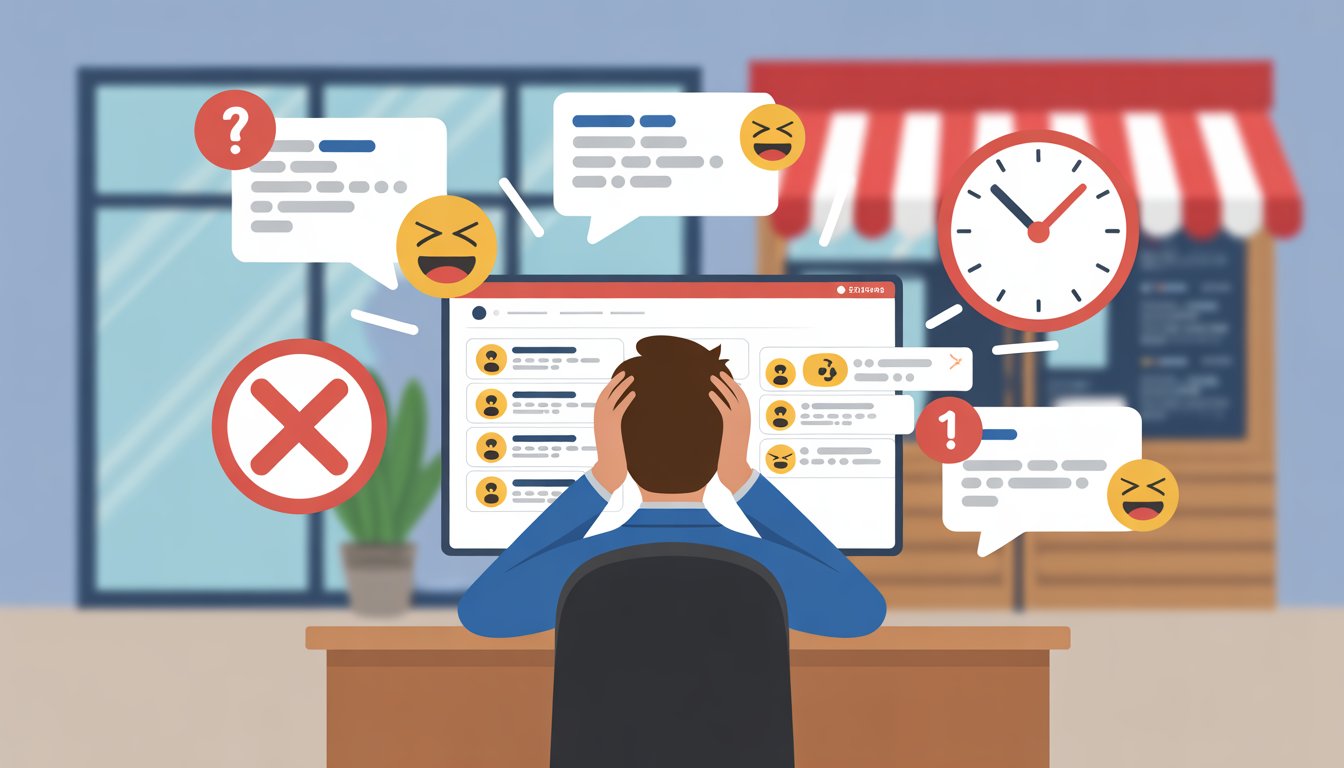
Dealing with negative reviews can feel like navigating a minefield. But what if we told you there's a way to transform these complaints into opportunities for growth? This guide will walk you through a proven formula for responding to negative reviews that not only addresses customer concerns but also enhances your business reputation. By the end of this article, you'll know exactly how to respond to negative reviews, utilize a review response template effectively, and turn unhappy customers into loyal advocates.
Why Responding to Negative Reviews Matters
Let's face it—negative reviews are inevitable. However, how you respond can make a substantial difference in your business success. Responding thoughtfully can lead to tangible outcomes such as improved customer retention, enhanced reputation, and even increased revenue.
The Impact of a Well-Crafted Response
Did you know that 70% of unhappy customers will return if their complaint is resolved? A strategic response can convert dissatisfaction into satisfaction, encouraging repeat business and positive word-of-mouth.
Building Trust and Credibility
When potential customers see how you handle negative feedback, it builds trust. They understand that your business values customer opinions and is committed to delivering excellent service.
The Perfect Review Response Formula
Now, let's dive into the step-by-step formula for crafting perfect responses to negative reviews. This approach will help you address complaints professionally and turn them into opportunities for customer retention and revenue growth.
Step 1: Stay Calm and Assess the Situation
Before diving into a response, take a moment to breathe and assess the review objectively. Understand the core issue and gather any necessary information related to the customer's experience.
Step 2: Acknowledge the Customer's Experience
Start your response by acknowledging the customer's feelings. This demonstrates empathy and shows that you value their opinion. A simple statement like, "We're sorry to hear about your experience," can go a long way.
Step 3: Apologize and Take Responsibility
Even if the issue wasn't entirely your fault, an apology can help diffuse tension. Use phrases like, "We apologize for any inconvenience," to convey your commitment to resolving the issue.
Step 4: Provide a Solution or Compensation
Offer a concrete solution to the problem or a form of compensation if appropriate. Whether it's a refund, discount, or a chance to rectify the mistake, ensure the customer feels valued and heard.
Step 5: Invite Further Discussion Offline
Encourage the customer to discuss the issue further offline. This shows your willingness to handle the matter personally and prevents further public scrutiny. Include contact information for them to reach out directly.
Step 6: Thank the Customer for Their Feedback
Conclude your response by thanking the customer for their feedback. Acknowledge that their input helps improve your services and strengthens your business.
Review Response Template
Here’s a practical review response template you can adapt for your business:
Hi [Customer's Name],

Thank you for bringing this to our attention. We're sorry to hear about your experience with [specific issue]. We apologize for any inconvenience this may have caused.

To make things right, we'd like to offer [solution or compensation]. Please feel free to contact us directly at [contact information] so we can further discuss and resolve this issue for you.

Thank you for helping us improve our services. We hope to serve you better in the future.

Best regards,
[Your Name]
[Your Position]
[Business Name]
Real-Life Examples of Successful Responses
To give you a clearer picture, let's look at some real-life examples of businesses that have effectively turned complaints into customers through strategic review responses:
Example 1: The Restaurant Redemption
A local restaurant received a negative review about a long wait time and cold food. The manager responded promptly, apologizing for the inconvenience and offering a complimentary meal. The customer accepted the offer and later updated their review to praise the restaurant's excellent customer service.
Example 2: The Retail Recovery
A clothing store faced criticism for a delayed shipment. The business responded by acknowledging the delay, providing a discount for future purchases, and ensuring expedited shipping for the next order. The customer appreciated the swift action and shared their positive experience on social media.
Common Challenges and How to Overcome Them
While responding to negative reviews is crucial, it's not always straightforward. Here are some common challenges and proactive solutions:
Challenge 1: Emotional Responses
It’s easy to let emotions take over when you read a harsh review. However, maintaining a calm and professional tone is vital. Draft your response, take a break, and review it before posting.
Challenge 2: Unjustified Criticism
Not all negative reviews are fair. If a review seems unjustified, respond respectfully by providing factual information without invalidating the customer's feelings.
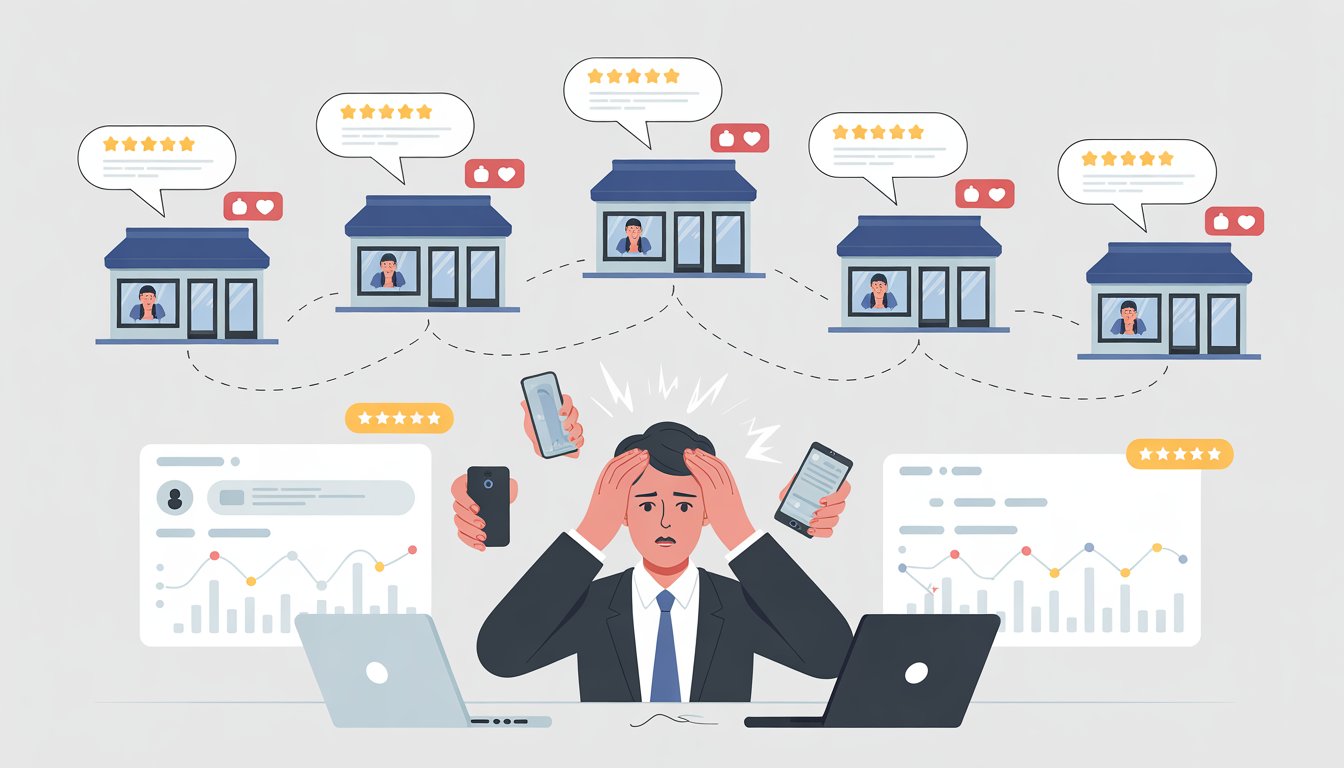
Challenge 3: High Volume of Reviews
Handling a large number of reviews can be overwhelming. Create a prioritized system, focusing first on reviews that highlight serious issues. Consider using a review management tool to streamline the process.
Measuring the Success of Your Review Responses
How do you know if your efforts are paying off? Here are some metrics to track:
Increase in Customer Retention
Monitor customer retention rates after implementing your response strategy. An increase indicates that your efforts are positively impacting customer loyalty.
Improvement in Overall Ratings
Keep an eye on your average review ratings. A gradual improvement suggests that your responses are enhancing your business reputation.
Enhanced Customer Engagement
Notice if there's an uptick in customer interactions, such as more inquiries or positive feedback. This could mean your responses are encouraging engagement and attracting new customers.
Conclusion: Transforming Complaints into Opportunities
In the digital age, your response to negative reviews can set you apart from the competition. By following the perfect review response formula, you can transform complaints into opportunities for growth and customer loyalty. Remember, each negative review is a chance to showcase your business's commitment to excellence.
Now, stop worrying and start leveraging this guide to turn reviews into revenue. Spend 10 minutes crafting thoughtful responses, and watch as your business reputation and customer base flourish.
Next Steps
- Implement the Response Formula: Start using the review response formula in your business today.
- Customize the Template: Adapt the provided template to fit the unique voice and needs of your business.
- Monitor and Adjust: Regularly review your response strategy and make adjustments based on customer feedback and business goals.
By taking these steps, you'll not only manage negative reviews effectively but also turn them into powerful tools for business growth.