







The Platform Dilemma: Why Managing 500+ Review Sites Manually Is Impossible
In today's digital world, the reputation of a business can pivot on the axis of online reviews. With over 500 review sites available, ranging from giants like Google and Yelp to niche platforms dedicated to specific industries, maintaining a positive online reputation can be daunting. The challenge? Managing these reviews manually across hundreds of platforms is not only impractical but also impossible. Here's why.
Understanding the Scale of the Problem
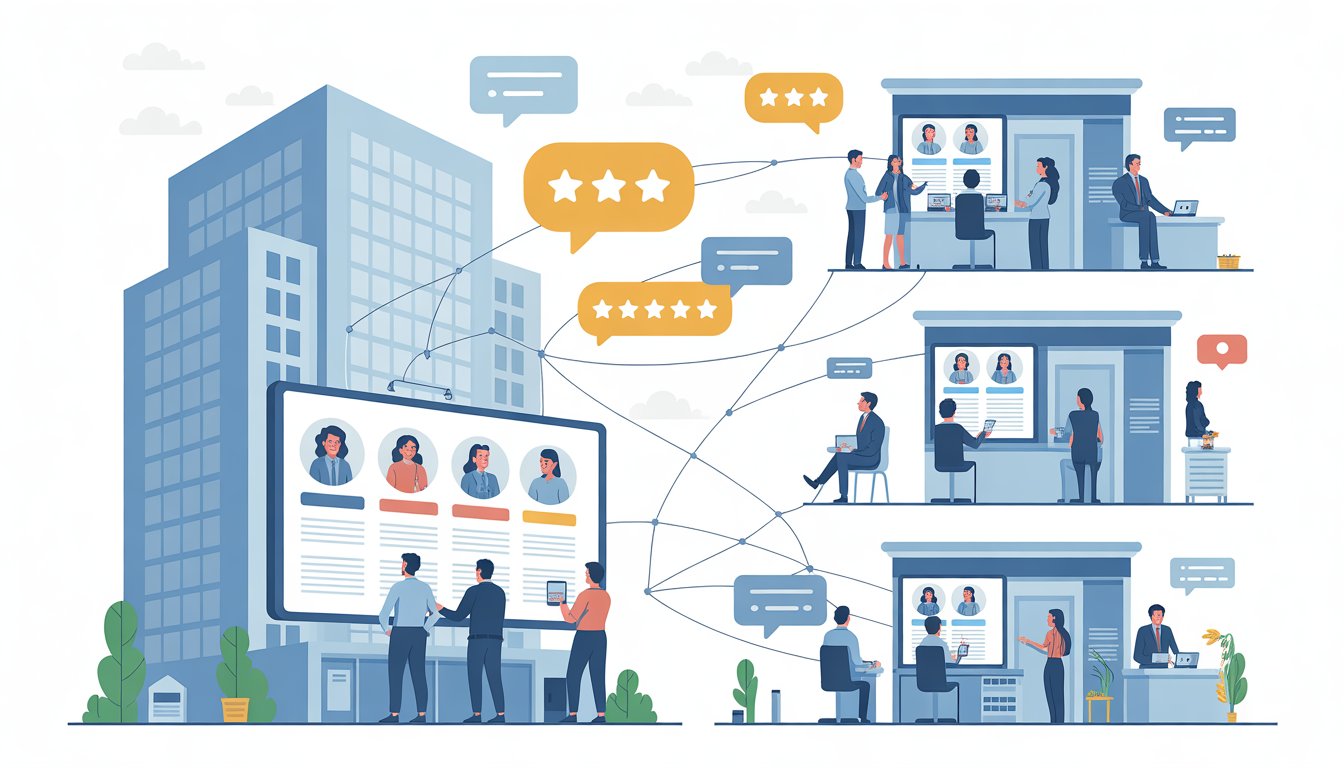
Imagine a scenario where your business needs to keep track of reviews across 500+ platforms. Each platform may have its own interface, notification system, and review guidelines. Now, multiply this complexity by the number of locations or service lines your business operates. The task quickly becomes Herculean, demanding resources, time, and expertise that many businesses simply do not have.
The Sheer Volume of Data
Each review site potentially hosts thousands of reviews for your business. Even if you dedicate just a minute to each review, the time investment quickly spirals out of control. For instance, reading, analyzing, and responding to even a fraction of these reviews could easily consume hundreds of hours weekly. This is time that could otherwise be spent on strategic growth initiatives.
Inconsistencies Across Platforms
Different platforms have varying rules for review submission, response time expectations, and moderation policies. Keeping up with these nuances manually is akin to playing a never-ending game of whack-a-mole. The risk of missing a critical piece of feedback or violating a platform's policy increases significantly when managed manually.
Manual Management: The Hidden Costs
While the direct costs of salary or wages for employees tasked with managing reviews are evident, several hidden costs can sneak up on businesses relying solely on manual processes.
Loss of Revenue Opportunities
Negative reviews, if left unaddressed, can deter potential customers, costing businesses revenue. According to studies, a single negative review can drive away approximately 22% of prospects. If a business has 10 negative reviews, it can lose up to 70% of potential customers. Addressing these reviews quickly is crucial to mitigating revenue loss.
Damage to Brand Reputation
Inconsistent responses or delayed engagement with customer feedback can damage your brand's reputation. Customers expect timely replies, especially when they've had a less-than-stellar experience. Failing to meet these expectations can lead to a perception that your business is unresponsive or uncaring.
Employee Burnout
The repetitive and detail-oriented nature of manual review management can lead to employee burnout. This not only affects staff morale but can also result in high turnover rates, further increasing costs related to hiring and training new employees.
Technological Solutions: A Smarter Approach
Embracing technology is no longer optional for businesses serious about managing their online reputation across multiple platforms. Automated review monitoring tools can drastically reduce the burden of managing reviews manually, offering a strategic advantage.
Consolidated Dashboards
Tools that offer a single dashboard to monitor and respond to reviews across multiple platforms are game-changers. They eliminate the need to log into each site separately, providing a centralized place to view and manage feedback. This not only saves time but also ensures a consistent brand voice in all responses.
Automated Alerts and Notifications
Review monitoring tools can send automated alerts for new reviews, allowing businesses to respond promptly. This immediacy can help turn potentially negative experiences into customer retention opportunities, showcasing your commitment to customer satisfaction.
Sentiment Analysis
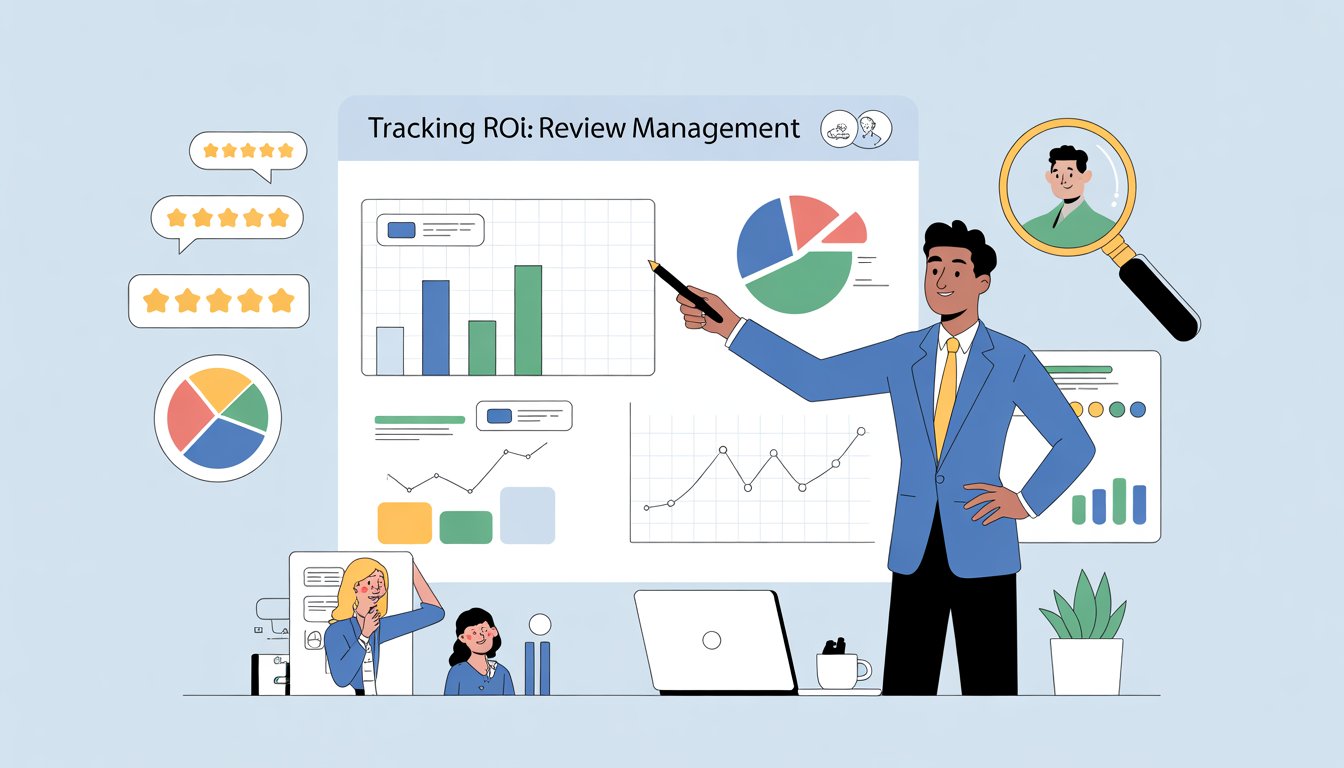
Advanced tools offer sentiment analysis, providing businesses with insights into customer perceptions. This data-driven approach enables proactive improvements and strategic decision-making, helping businesses align their services with customer expectations.
Case Study: A Success Story
Consider the example of a multi-location restaurant chain that turned to review monitoring tools to manage its online presence. Previously, the chain struggled with inconsistent responses and missed negative reviews. By implementing a platform that provided a consolidated dashboard and automated alerts, the chain saw a 30% increase in positive customer interactions and a 20% increase in overall customer satisfaction within six months.
Overcoming Challenges with Proactive Strategies
While technology offers significant advantages, it's essential to pair these tools with proactive strategies to truly leverage customer feedback into business growth.
Establishing a Review Management Policy
Create a standardized policy for responding to reviews, both positive and negative. This ensures consistency and professionalism in all communications, reinforcing your brand's reliability and customer focus.
Training and Empowering Staff
Equip your staff with the skills and knowledge to utilize review monitoring tools effectively. Empowered employees can provide timely, thoughtful responses that enhance customer relationships and build trust.
Encouraging Positive Reviews
Actively encouraging satisfied customers to leave positive reviews can balance out any negative feedback. Implementing strategies such as follow-up emails or incentives can significantly improve your online reputation.
Conclusion: The Path Forward
In a landscape where customer feedback is more influential than ever, businesses cannot afford to manage reviews manually. The complexity and scale of multiple review platforms demand a smarter, technology-driven approach. By investing in review monitoring tools and adopting proactive strategies, businesses can transform the challenge of managing reviews into an opportunity for growth and customer engagement.
Stop worrying about the impossible task of manual review management. Start leveraging technology to turn reviews into revenue, ensuring your business not only survives but thrives in the competitive digital marketplace.