

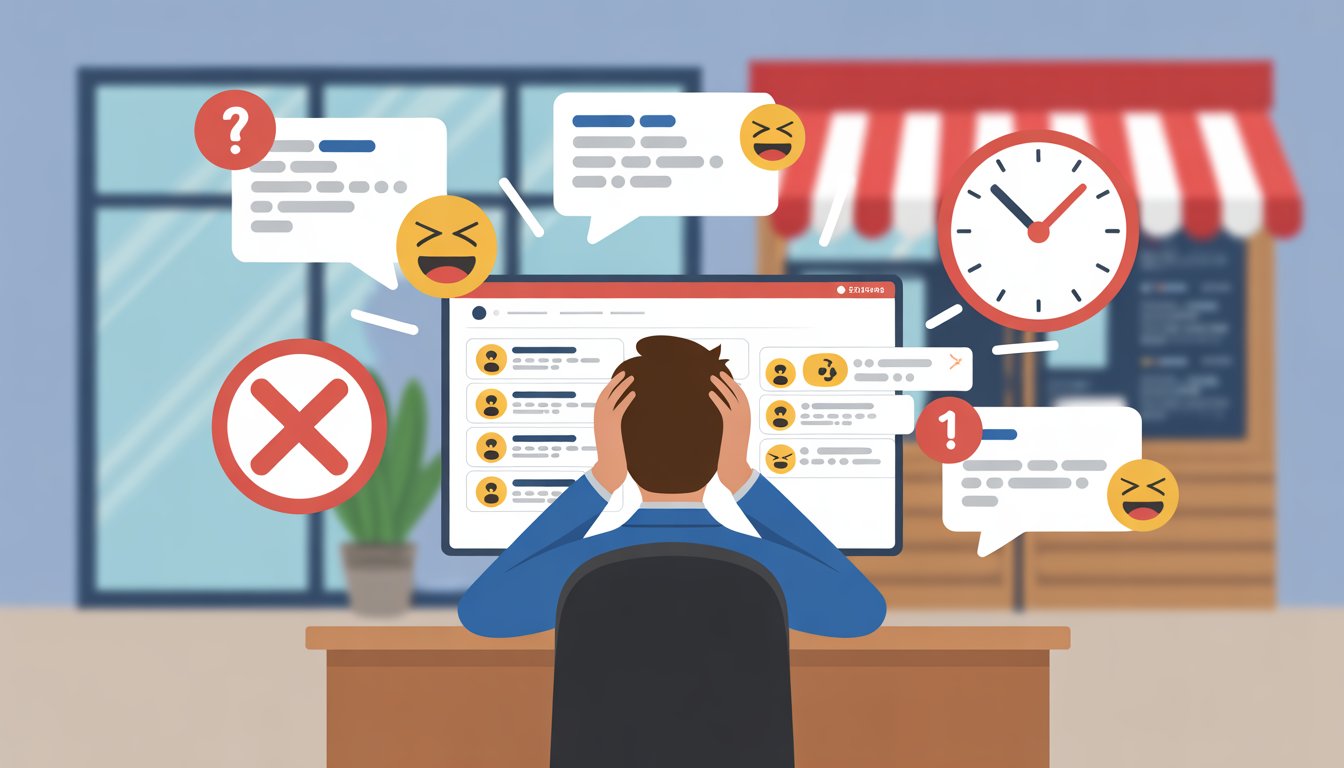







Multi-Location Nightmare: When One Bad Review Costs You $250K Annually
In the fast-paced world of multi-location businesses, managing brand reputation is no small feat. Imagine this: a single negative review spirals out of control and costs your franchise $250,000 annually. It sounds like a nightmare, but for many businesses, it's an all-too-real scenario. This case study delves into the impact of a single bad review on a multi-location franchise, how it led to significant financial losses, and the strategic steps taken to turn the situation around.
Understanding the Impact of Multi-Location Reviews
For businesses with multiple locations, each customer interaction can have a significant ripple effect. A single negative review doesn't just affect one store; it can tarnish the reputation of the entire brand. With potential customers relying heavily on online reviews, one negative comment can deter countless others, leading to a substantial hit in revenue.
The Domino Effect of a Bad Review
Consider a popular restaurant franchise with 50 locations nationwide. One location receives a scathing review about poor service and food quality. This review quickly surfaces to the top of search results due to high engagement—likes, comments, and shares by other dissatisfied customers. Suddenly, it's not just the underperforming location suffering; the entire brand's reputation is at stake.
Quantifying the Financial Loss
Let's break down the financial implications. Research shows that a single negative review can lead to a 5% drop in revenue. For our franchise, each location averages $1 million in annual revenue. This means a 5% dip equates to a $50,000 loss per location. Multiply this by 50 locations, and the franchise is staring at a staggering $250,000 annual loss—all triggered by one bad review.
Why Reviews Matter More Than Ever
In today's digital age, 93% of consumers read online reviews before purchasing. For franchises, reviews are not just feedback; they are a critical component of brand perception and customer acquisition. A negative review doesn't just cost lost sales; it represents lost trust and credibility.
Case Study: Turning the Tide
The franchise in question faced a daunting challenge. However, by implementing a strategic review management plan, they managed to not only recover but also boost their revenue by 15% within a year. Here's how they did it.
Step 1: Centralized Review Monitoring
The first step was to centralize the review monitoring process. The franchise implemented a system where all reviews across platforms like Google, Yelp, and Facebook were funneled into one dashboard. This allowed the management team to track reviews in real-time and respond promptly.
Step 2: Rapid Response Strategy
Speed is crucial in managing online reputation. The franchise set a goal to respond to all reviews within 24 hours, turning potential disasters into opportunities for engagement. Negative reviews were addressed with sincere apologies and promises of corrective action, while positive reviews were acknowledged with gratitude.
Step 3: Empowering Local Managers
Local managers were trained to handle reviews effectively. They were empowered to resolve issues on the ground and offer compensation where necessary. This not only improved customer satisfaction but also enhanced the credibility of the response.
The Role of Technology in Review Management
Technology played a pivotal role in the franchise’s turnaround. By leveraging sophisticated review management software, they could automate alerts for new reviews, track sentiment trends, and generate detailed reports on review performance across all locations.
Benefits of a Unified Review Dashboard
A unified review dashboard provided several benefits:
- Efficiency: Streamlined operations saved time and reduced the likelihood of missed reviews.
- Consistency: Ensured consistent messaging and brand voice in responses.
- Insights: Offered valuable insights into common customer concerns, guiding operational improvements.
Long-Term Strategy for Franchise Review Management
The franchise didn't stop at immediate recovery; they developed a long-term strategy to maintain and enhance their brand reputation.
Building a Culture of Customer Feedback
Encouraging regular feedback from customers became a cornerstone of their strategy. They implemented programs to solicit reviews proactively, turning satisfied customers into brand advocates. This helped drown out the negative noise with positive experiences.
Investing in Employee Training
Employees are the frontline of customer interaction. By investing in comprehensive training programs, the franchise ensured their staff understood the importance of customer service and how it directly impacts reviews and revenue.
Fostering Community Engagement
The franchise also focused on community engagement, hosting events and participating in local initiatives. This not only boosted their local presence but also fostered goodwill, reflected in more favorable reviews.
Conclusion: Turning Reviews into Revenue
The case of this franchise underscores the critical importance of proactive review management, especially for multi-location businesses. By transforming their approach, the franchise turned a potential $250,000 annual loss into a 15% increase in revenue—a testament to the power of strategic reputation management.
In the competitive landscape of multi-location businesses, one bad review doesn't have to spell disaster. With the right tools and strategies, you can transform reviews into a revenue-driving asset. So, stop worrying and start leveraging your reviews today—because your brand reputation is worth the investment.